

Does Homeowner’s Insurance Cover Leak Detection and Repair in Florida?
If you’ve ever noticed an unexplained spike in your water bill or a damp patch on a wall that won’t go away, you’ve probably asked yourself: does home insurance cover leak detection? It’s one of the most common questions Florida homeowners have, and the honest answer is “it depends” — but not in the vague way that phrase usually suggests. Most standard homeowner’s policies in Florida do cover leak detection and the resulting water damage under specific conditions, while excluding others entirely. Knowing the difference before a pipe bursts (or before your bill triples) can save you thousands of dollars and a lot of frustration during the claims process.
At Leak Detection Wizard, we work with Tampa Bay homeowners every week who are navigating this exact question. Below, we’ll break down what’s typically covered, what usually isn’t, and how a professional leak detection company can make the difference between a denied claim and an approved one.
Key Takeaways
- Most Florida homeowner’s insurance policies cover leak detection and resulting damage when the leak is sudden and accidental, not gradual.
- Gradual leaks, deferred maintenance, and slow-developing damage are typically excluded from standard coverage.
- Professional, documented leak detection strengthens your insurance claim by establishing the cause and likely timeline of the leak.
- Florida law requires insurers to acknowledge claims within 14 days and resolve them within 90 days of a completed proof of loss.
- Leak Detection Wizard finds and repairs leaks, and works alongside your insurance claims process — all under one roof.
Does Home Insurance Cover Leak Detection in Florida? The Short Answer
In most cases, yes — but only when the leak is considered “sudden and accidental.” Florida insurers generally distinguish between two categories of water damage:
- Sudden and accidental leaks — think a burst pipe, a failed water heater, or a supply line that snaps without warning. These are typically covered under a standard HO-3 homeowner’s policy.
- Long-term or gradual leaks — a slow drip behind a wall that’s been seeping for months (or years) without detection. These are usually excluded, because insurers consider ongoing maintenance the homeowner’s responsibility.
The tricky part is that most hidden leaks don’t announce themselves. A slab leak or a leak inside a wall cavity can develop gradually and still cause sudden, significant damage once it’s discovered. This is exactly where professional leak detection comes in — the sooner a leak is found and documented, the stronger your case that it falls into the “sudden and accidental” category rather than a gradual, excluded one.
What’s Typically Covered by a Florida Homeowner’s Policy
Coverage varies by carrier and policy, but most Florida homeowner’s insurance policies will cover some combination of the following when a leak is caught early and properly documented:
- The cost of locating the leak, in many policies, when it’s necessary to access and repair covered damage
- Water damage to floors, drywall, ceilings, and cabinetry caused by a sudden pipe failure
- Mold remediation, up to policy sublimits, when it results directly from a covered water event
- Tear-out and access costs, such as cutting into a wall or slab to reach a hidden pipe
- Additional living expenses if the damage makes part of your home temporarily uninhabitable
Some Florida insurers also offer optional endorsements specifically for water damage or service line coverage, which can expand what’s included beyond the base policy. It’s worth asking your agent directly whether your policy has one.
What’s Usually Not Covered
On the other side of the ledger, most policies exclude:
- Damage from leaks that were ongoing for an extended period before detection
- Damage caused by lack of maintenance, such as ignoring a known drip or corroded pipe
- Flood damage from outside water sources (this requires separate flood insurance)
- Gradual deterioration of plumbing systems due to age
- Mold that developed over time from an unaddressed leak
This is why insurers often send an adjuster to determine the cause and timeline of a leak before approving a claim. If the evidence suggests the leak was slow and long-standing, the claim is far more likely to be denied or reduced.
Why Professional Documentation Matters for Insurance Claims
This is the part homeowners often underestimate. When you file an insurance claim for water damage, the burden is on you to show that the damage was sudden and accidental — not the result of neglect. A visual inspection alone rarely proves that. Insurance adjusters are trained to look for signs of gradual wear, and without professional documentation, it’s easy for a claim to get pushed into the “excluded” category even when it shouldn’t be.
That’s where non-invasive leak detection technology changes the equation. Using moisture meters, acoustic sensors, and thermal imaging, a specialist can pinpoint the exact source and timeline of a leak without tearing into your walls or slab first. That documentation — a clear, professional report identifying where the leak originated and how it likely occurred — becomes some of the strongest evidence in your favor during the claims process.
For a deeper look at how insurers evaluate water damage claims and what Florida law requires of them, the Louis Law Group’s guide to water leak detection and repair for Florida homeowners is a helpful resource. It outlines Florida Statute § 627.70131, which requires insurers to acknowledge a claim within 14 days and pay or deny it within 90 days of receiving your completed proof of loss — timelines every Florida homeowner should know.
How Leak Detection Wizard Helps With Insurance Claims
Finding the leak is only half the job. Leak Detection Wizard is a family-owned, non-invasive leak detection specialist serving Tampa, St. Petersburg, Brandon, Clearwater, and the greater Tampa Bay region. Unlike many leak detection companies that hand you a report and walk away, we also repair the leak once we find it — and we work directly alongside your insurance claims process from start to finish.
Here’s what sets us apart:
- We specialize in finding leaks of any size, from a barely-there slab leak to a wall leak causing visible damage, using specialty non-invasive detection equipment.
- We handle slab leaks, pipe leaks, wall leaks, and unexplained high water bills — the most common (and most misdiagnosed) leak issues in Florida homes.
- We document our findings thoroughly, giving you a clear report you can bring straight to your insurance adjuster.
- We complete the repair, not just the detection, so you’re not left coordinating between multiple contractors.
- We’re a family-owned business, which means you’re working with people who treat your home like their own.
If you’re already in the middle of a claim, our team can also point you toward what a full insurance claims process looks like when leak detection is involved, and how to keep your documentation organized from day one.
Signs You May Have a Hidden Leak
Because gradual leaks are the ones most likely to run into coverage disputes, catching them early is the best way to protect yourself. Watch for:
- A water bill that’s noticeably higher than usual with no clear explanation
- The sound of running water when every fixture is off
- Warm spots on your flooring (often a sign of a slab leak)
- Musty odors or unexplained mold growth
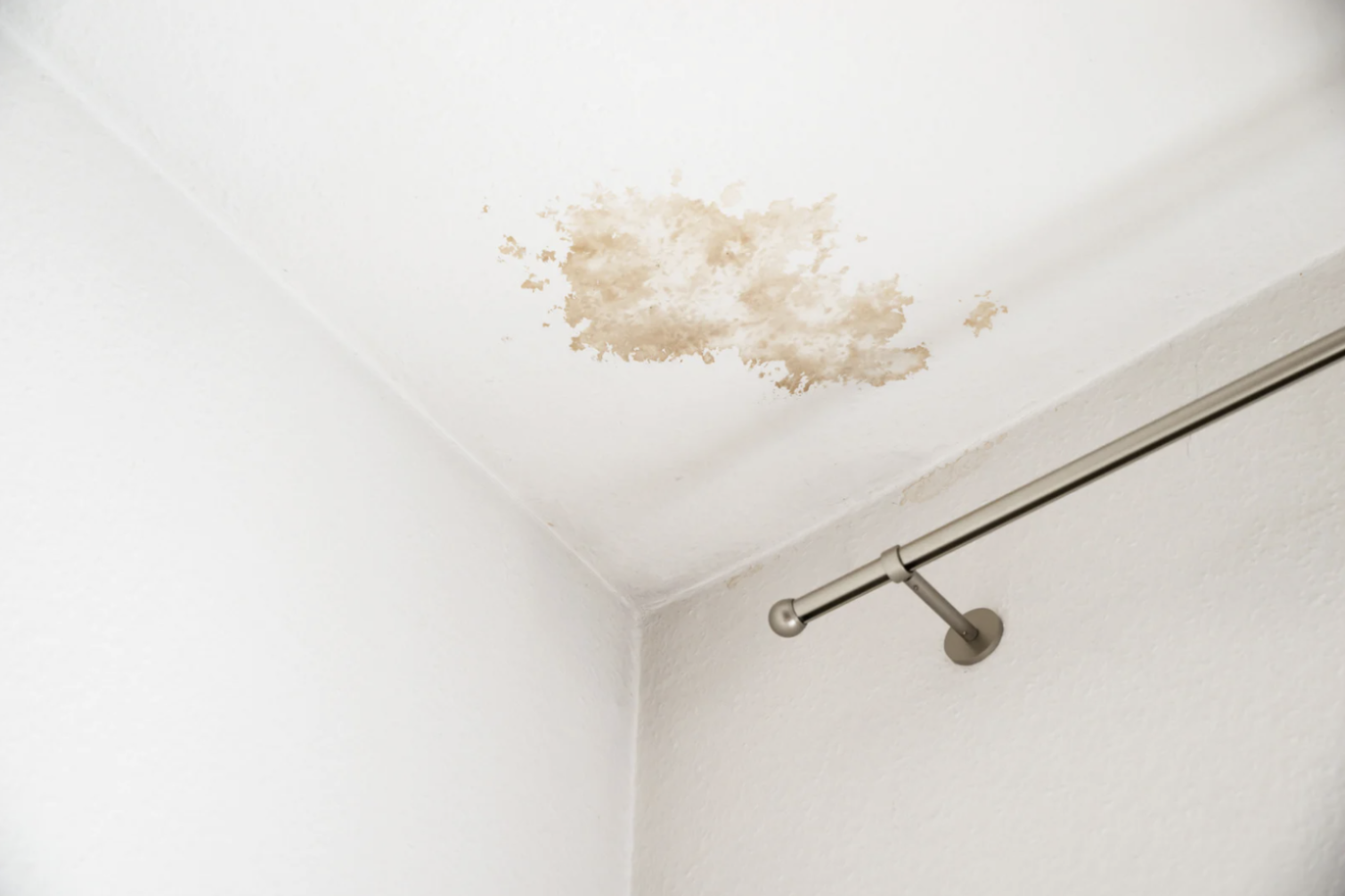
- Peeling paint, bubbling drywall, or soft spots on walls and ceilings
- A water meter that keeps moving even when all water use is stopped
If you notice any of these, it’s worth scheduling a professional inspection sooner rather than later. We’ve written more about how these leaks develop and go unnoticed in our post on hidden pipe leaks, which covers the warning signs in more detail.
Frequently Asked Questions
Does home insurance cover leak detection costs in Florida? Many policies cover the cost of locating a leak when it’s necessary to access and repair covered damage, especially if the leak is sudden and accidental. Coverage details vary by carrier, so it’s worth confirming with your insurance agent.
What’s the difference between a covered leak and an excluded one? Insurers generally cover sudden, unexpected leaks (like a burst pipe) but exclude damage from leaks that developed gradually over time due to lack of maintenance.
Will my insurance company pay for a slab leak? It depends on how long the leak has been active and whether it’s classified as sudden or gradual. Professional documentation showing when and how the leak occurred can significantly improve your chances of approval.
How does Leak Detection Wizard help with insurance claims? We locate the source of the leak using non-invasive equipment, provide a documented report, and complete the repair — giving you the evidence and the fix in one process instead of juggling separate companies.
How long does a Florida insurer have to respond to a water damage claim? Under Florida Statute § 627.70131, insurers must acknowledge a claim within 14 days and pay or deny it within 90 days of receiving a completed proof of loss.
If you suspect a hidden leak in your Tampa Bay home, don’t wait for it to get worse — or for your insurance claim to get harder to prove. Contact Leak Detection Wizard for a non-invasive inspection, a clear report, and a repair done by the same team that found the problem.
This article is for general informational purposes and does not constitute insurance or legal advice. Always review your specific policy and consult your insurance agent or an attorney for guidance on your individual situation.